Chorokhi Delta
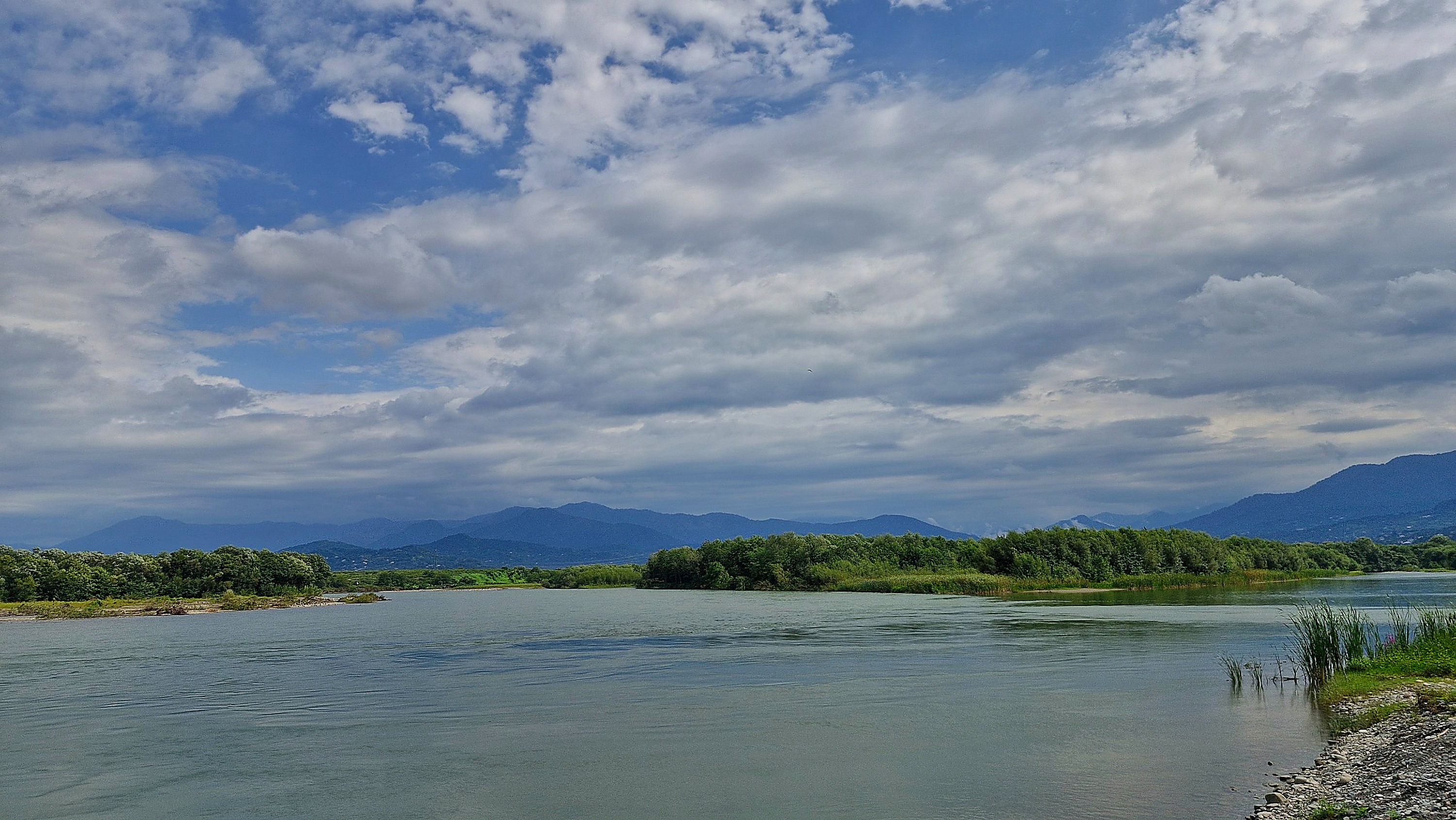
Chorokhi Delta — How to Get There
The Chorokhi Delta is located south of Batumi, where the Chorokhi River flows into the Black Sea. It is recognised as an Important Bird and Biodiversity Area (IBA GEO32) and plays a significant role as a stopover, resting and feeding site for migratory birds. The delta is internationally recognised for its conservation importance and is one of Adjara's most rewarding birdwatching destinations.
The river mouth, sandy and pebble beaches, wetlands, grasslands and shrublands provide a diverse range of habitats that are particularly attractive to migratory birds.
Birdwatching is possible from both banks of the river, although access routes differ.
Right Bank of the Chorokhi River
Location: 41°36′19.8″N, 41°34′34.7″E — View on Google Maps
The right bank of the Chorokhi River mouth is relatively easy to reach from Batumi. It offers excellent opportunities to explore the coastline, river mouth and surrounding habitats.
The area is popular not only with birdwatchers but also with anglers, hikers, campers and outdoor enthusiasts, including visitors travelling by off-road vehicles, quad bikes and motorcycles. Although it can sometimes be busy and noisy, it remains an interesting location for birdwatching.
Getting There
The most convenient way to reach the area is by private car or taxi. Public transport is also an option, using Batumi municipal buses No. 10 and No. 10A, which operate towards the airport. Check current routes and stops before travelling.
One useful landmark for visitors continuing on foot is the roundabout near Batumi International Airport.
Public transport landmark: 41°37′10.8″N, 41°35′18.6″E — View on Google Maps
From this point, you can continue on foot towards the river mouth. Walking time depends on your chosen route and pace.
Left Bank of the Chorokhi River
Access point: 41°35′08.5″N, 41°35′21.3″E — View on Google Maps
To reach the left bank of the Chorokhi River mouth, head south from Batumi towards Sarpi along the E70 highway. At the indicated coordinates, turn right off the main road onto an access road leading to extensive grasslands in an area locally known as the former military base.
The surrounding open grasslands and associated habitats are particularly interesting for observing a variety of passerine birds. Although development and other activities in recent years have significantly altered some of the natural habitats, the area continues to offer valuable birdwatching opportunities.
Road Conditions and Access
The internal tracks are uneven, so walking or using a four-wheel-drive vehicle is recommended.
From the access point, follow the track towards the sea. After approximately 3 km, you will reach the coast. From there, turn right and continue along the sandy and pebbly shoreline towards the river mouth.
If travelling by car, take particular care, as there is a risk of vehicles becoming stuck in soft sand along some sections of the coast. Whenever possible, stay on established tracks and avoid driving onto undisturbed ground. This is important both for your safety and for protecting sensitive natural habitats. Always observe local restrictions and warning signs.
At the end of the route, you will reach the left bank of the Chorokhi River mouth, where you can watch resident and migratory birds along the river, coastline and surrounding habitats.
Final destination: 41°35′58.5″N, 41°34′21.5″E — View on Google Maps
Useful Birdwatching Tips
Spring and autumn migration are particularly rewarding periods for birdwatching in the Chorokhi Delta. Depending on the season and conditions, visitors may encounter a wide variety of shorebirds, gulls, terns, herons and passerines.
Binoculars or a spotting scope are highly recommended, along with comfortable footwear and clothing suitable for the weather. Some tracks may become muddy, flooded or difficult to negotiate after heavy rain.
Please respect the natural environment, avoid disturbing birds—especially at feeding and resting sites—and follow all local access restrictions and warning signs.


